304 vs 316 Stainless Steel Welded Mesh
304 and 316 stainless steel welded mesh look similar, but they are chosen for different corrosion conditions. The right choice depends on environment, exposure and project risk.
Direct answer
Use this guide to prepare comparable RFQ details before asking for price. The examples below are common buyer reference points, not fixed stock promises; final specifications require manual confirmation.
When 304 is usually considered
304 stainless steel welded mesh is commonly used for general cages, guards, partitions, food-related dry areas and many normal wet environments. It is often more economical than 316 while still offering good corrosion resistance.
When 316 should be reviewed
316 stainless steel is considered when corrosion risk is stronger, such as coastal air, chemical exposure, acidic or alkaline environments, or long-term wet conditions. The buyer should describe the working environment before choosing grade.
Do not choose only by grade name
Wire diameter, opening, welding quality, roll width and packing also affect performance. A 316 mesh with unsuitable wire diameter may still fail in a demanding application. Material grade is only one part of the specification.
RFQ information for material selection
Send environment details, contact liquid or chemical if any, temperature, wire diameter, opening, roll or panel size, quantity and destination. If unsure, describe the application honestly so the factory can recommend a safer direction.
Decision table
Use this table to prepare comparable quotations. Do not compare price unless the key parameters are the same.
| Item | 304 stainless steel | 316 stainless steel |
|---|---|---|
| Corrosion resistance | Good for general use | Better for harsher environments |
| Typical use | guards, cages, partitions | chemical, coastal, wet or corrosive areas |
| Cost direction | usually lower | usually higher |
| RFQ focus | grade, wire, opening, size | environment details plus full specs |
Common parameter examples
Use these as RFQ reference examples only. Actual production specifications, tolerance, packing and quotation need manual review.
| General 304 direction | wire diameter and opening examples often include 1–4 mm wire and 10–50 mm openings |
|---|---|
| 316 review direction | describe chemical, coastal, wet or corrosive exposure before choosing 316 |
| Roll/sheet detail | send roll width/length or cut panel size; material grade alone is not enough |
| RFQ note | final material choice must be manually reviewed according to environment |
Common buying mistakes
- Choosing 304 for chemical exposure without explaining the environment.
- Choosing 316 but ignoring wire diameter and opening.
- Requesting quotation without roll width or panel size.
- Assuming all stainless welded mesh is the same quality.
304 vs 316 welded mesh decision checklist
Use this checklist to make quotations comparable and reduce missing specifications before contacting the factory.
General corrosion
304 is commonly used for many indoor, dry or normal outdoor applications.
Stronger corrosion
316 should be reviewed for marine, chemical, high humidity or stronger corrosion exposure.
Cost difference
316 costs more, so environment risk should be explained before quote comparison.
Welding and finish
Weld point quality, surface cleanliness and packing protection still matter after grade selection.
Risk review
If failure cost is high, describe the environment and safety requirement clearly.
Factory review note
Do not choose grade only by price. Send environment, cleaning chemicals, humidity, temperature and application risk for review.
Related product and application pages
Compare welded mesh material, wire diameter and roll/panel form.
Chemical Plant Protection Wire MeshReview corrosion environment before choosing stainless grade.
Stainless Steel Mesh PanelsCompare panel size, edge treatment and custom fabrication.
Request QuoteSend full specifications for manual factory review.
Wire Mesh HomepageReturn to all product categories and RFQ entry points.
Factory VerificationCheck company information and Anping factory details.
RFQ checklist
- Product name and application
- Material grade or surface treatment
- Wire diameter, opening, hole pattern or bearing bar
- Panel, roll or sheet size
- Quantity, packing and destination
FAQ
What should I send for this RFQ?
Send product name, material, key size, quantity, application and destination. Final quotation requires manual review.
Can I ask for a price without full parameters?
You can ask for an initial direction, but accurate quotation needs manual review of specifications, material, quantity, packing and delivery details.
Why do different suppliers quote different prices?
Different wire diameter, thickness, material grade, surface treatment, packing and tolerance can create very different prices even when the product name looks similar.
Need manual quotation review?
Send product type, material, wire diameter, opening, size, quantity, packing requirement and destination. Our Anping factory team will review the specification before quotation.
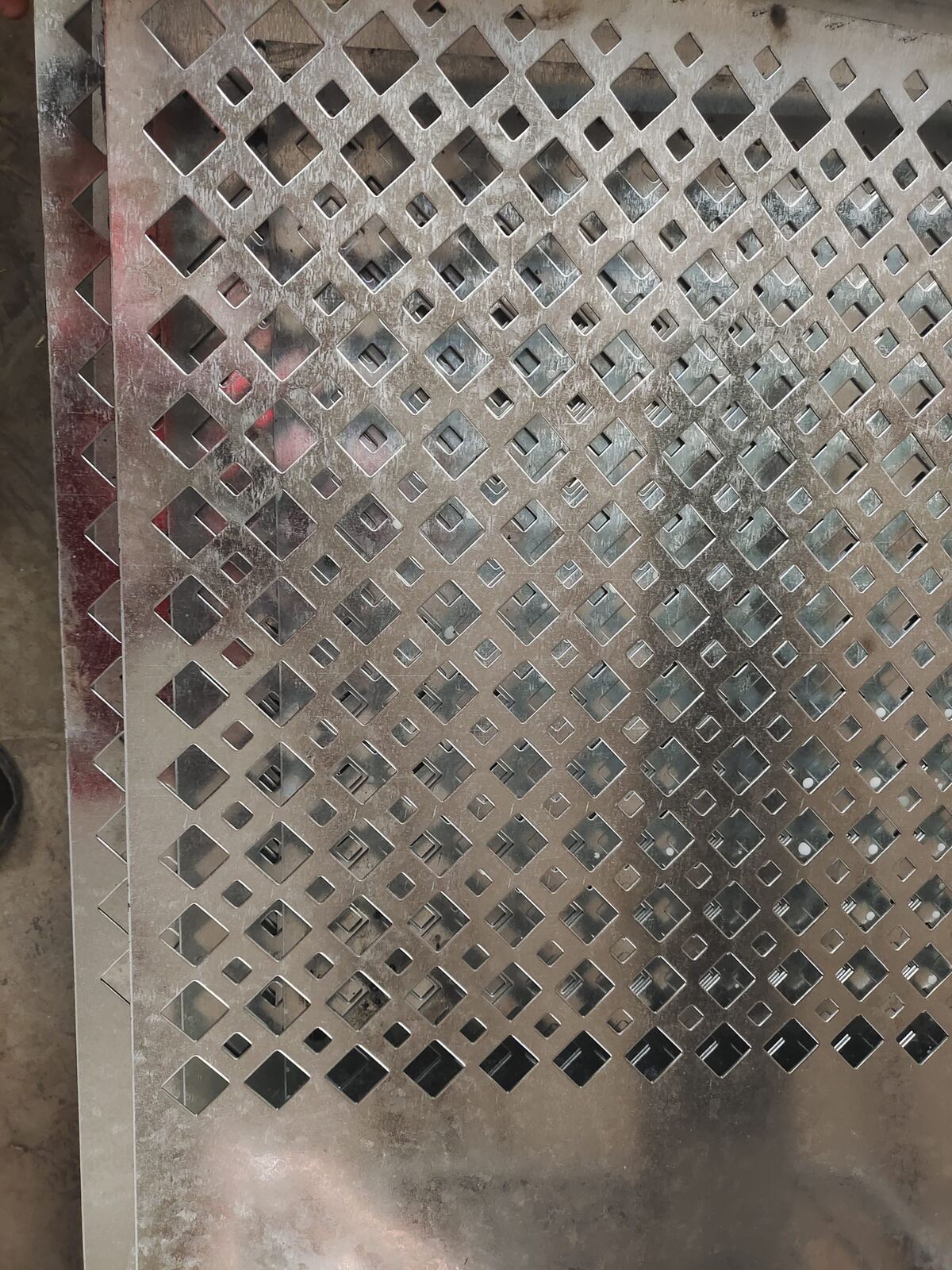
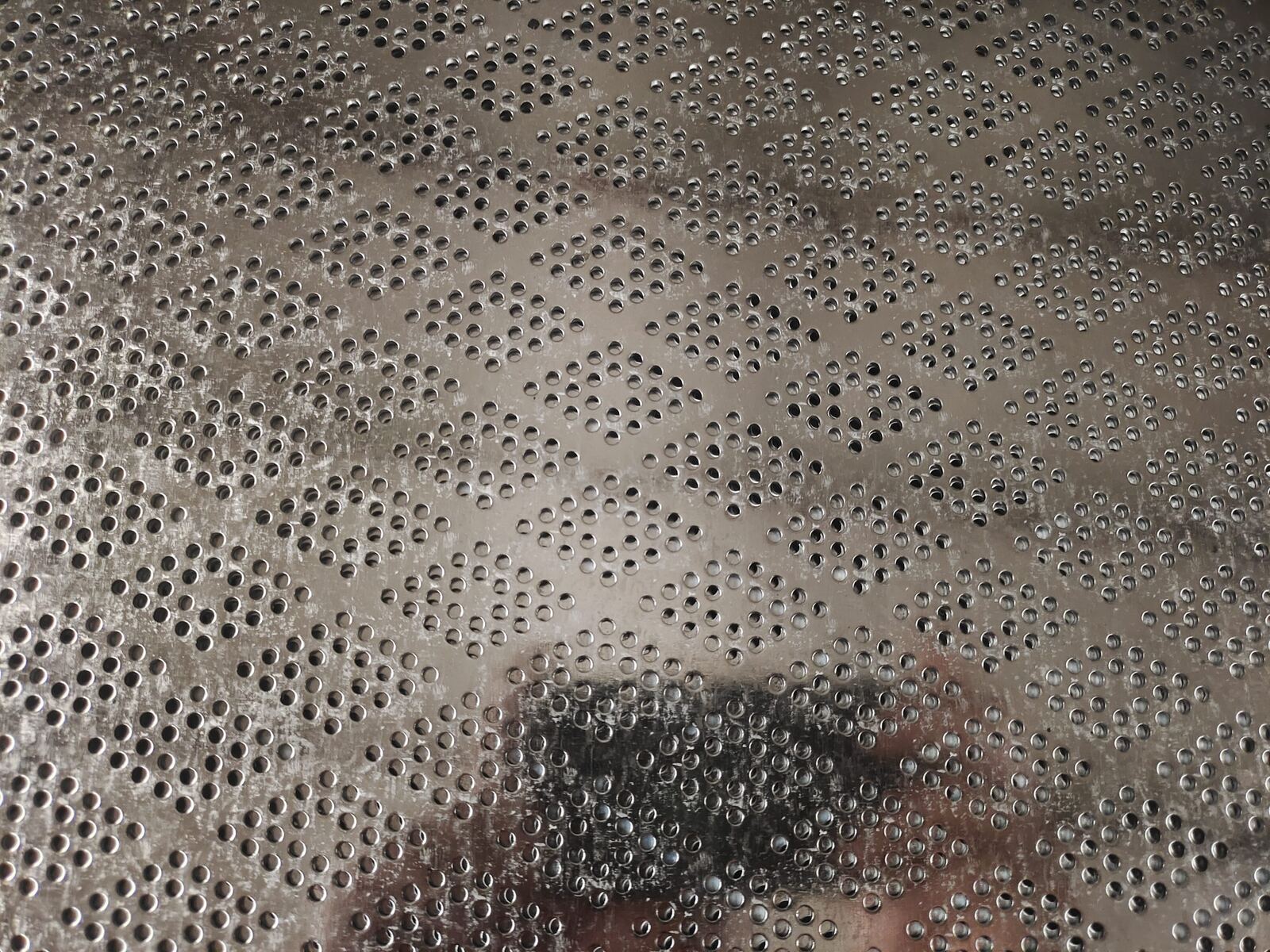
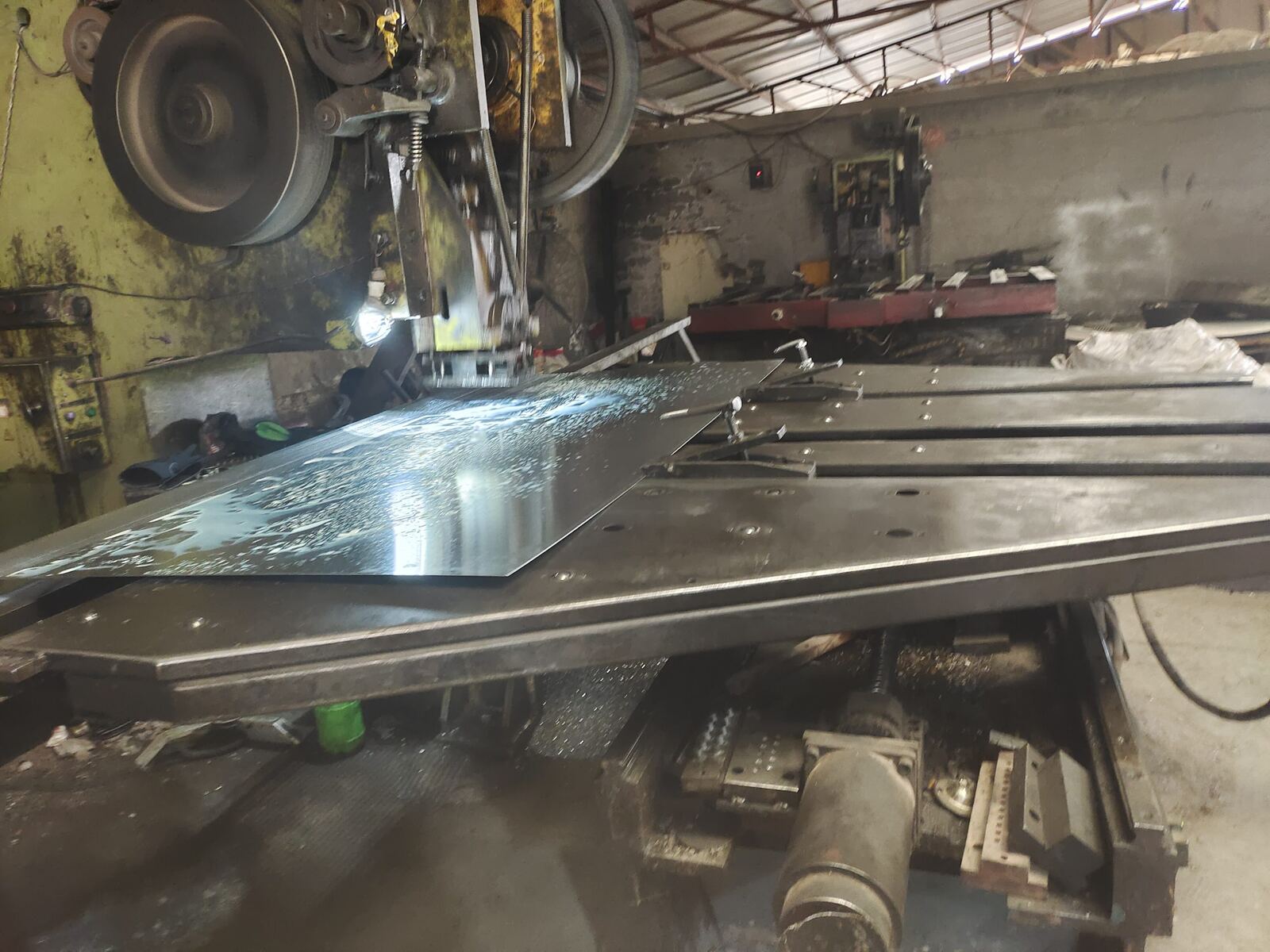
Factory photo evidence for 304 vs 316 stainless steel welded mesh
For this selection, buyers should check real mesh structure, material condition, opening or hole pattern, packing method and the final application environment before quotation. The photos below provide practical reference for RFQ preparation.
RFQ checklist for 304 vs 316 stainless steel welded mesh
- Material grade and surface treatment.
- Wire diameter, mesh opening, sheet thickness or hole pattern where applicable.
- Panel, roll or sheet size and tolerance requirement.
- Application environment and corrosion, screening or safety requirement.
- Quantity, packing method, destination and delivery schedule.
Review the related product page or send specifications for factory quotation review.
304 Vs 316 Stainless Steel Welded Mesh FAQ
What details should be confirmed before quotation?
Material, opening or hole size, thickness or wire diameter, size, quantity, packing and application environment should be confirmed before factory quotation.
Can the specification be customized?
Yes. Custom mesh opening, sheet size, panel size, packing and processing can be reviewed according to drawings or sample requirements.
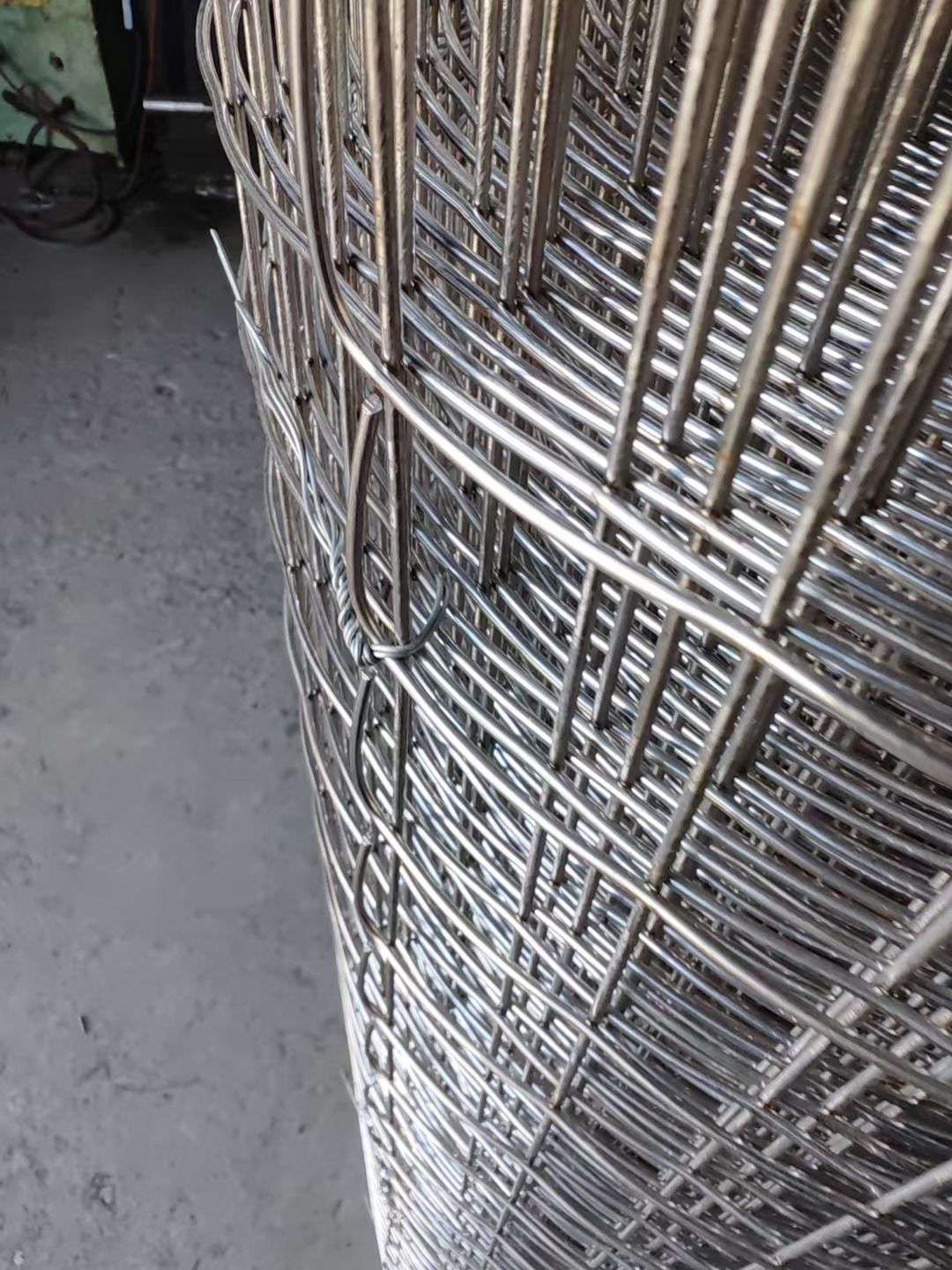
304 Versus 316 Mesh: Buyer Decision Note
Quick answer: 304 stainless steel mesh is commonly selected for general corrosion resistance, while 316 stainless steel mesh is usually reviewed for humid, coastal, marine or chemical environments. The better choice depends on the real working condition, not only on the material name.
For quotation, buyers should send the application, environment, wire diameter, mesh opening, roll or panel size, quantity and packing requirement. If the mesh will be used near chemicals, salt water, high humidity or frequent cleaning, please describe the exposure before material confirmation.
About welding 316 to 304: Some buyers search this question when comparing stainless materials. For wire mesh purchasing, the key point is to confirm whether the final mesh, frame or fabrication requires mixed materials, and whether the use environment needs 304 or 316 corrosion resistance. Special fabrication should be reviewed with drawings.
Related pages: stainless steel welded mesh, stainless steel mesh panels, and RFQ specification form.