Steel Grating Bearing Bar Guide
Steel grating price and safety depend heavily on bearing bar size, spacing, span direction and load requirement. These details must be confirmed before quotation.
Direct answer
Use this guide to prepare comparable RFQ details before asking for price. The examples below are common buyer reference points, not fixed stock promises; final specifications require manual confirmation.
What bearing bar means
The bearing bar is the main load-carrying part of steel grating. Its height, thickness and direction determine how the grating performs under load. Cross bars hold the bearing bars in position but usually are not the main load path.
Span direction is critical
When sending a drawing, mark the bearing bar direction. If span direction is misunderstood, the quotation may be wrong and the grating may not meet the project requirement. This is especially important for trench covers and platforms.
Surface treatment and environment
Hot-dip galvanizing is commonly reviewed for outdoor drainage, municipal and industrial projects. Painted or untreated grating may be considered for different environments. Stainless steel grating is a separate requirement and should be clearly stated.
RFQ checklist
Send bearing bar size, cross bar size, spacing, panel size, span direction, load requirement, surface treatment, quantity and destination. For engineering projects, drawings are strongly recommended.
Decision table
Use this table to prepare comparable quotations. Do not compare price unless the key parameters are the same.
| Parameter | Why it matters | What to send |
|---|---|---|
| Bearing bar | main load capacity | height × thickness |
| Cross bar | structure stability | diameter or twisted bar size |
| Span direction | safe installation | mark on drawing |
| Surface treatment | corrosion protection | galvanized, painted or other |
| Panel size | fabrication and packing | width × length × quantity |
Common parameter examples
Use these as RFQ reference examples only. Actual production specifications, tolerance, packing and quotation need manual review.
| Light to medium review | bearing bar examples such as 25×3 or 30×3 mm may be discussed by span |
|---|---|
| Heavier load review | larger bearing bar such as 40×5 mm may be reviewed for stronger load needs |
| Panel size examples | buyers often send width × length, span direction and quantity together |
| RFQ note | bearing bar direction and load requirement must be confirmed before production |
Common buying mistakes
- Not marking bearing bar direction.
- Comparing quotations with different bearing bar sizes.
- Ignoring load requirement for platforms or covers.
- Forgetting frame or support details for trench covers.
Bearing bar details that affect steel grating safety and price
Use this checklist to make quotations comparable and reduce missing specifications before contacting the factory.
Bar height and thickness
Bearing bar size controls load capacity, weight and price.
Span direction
Bearing bars must run in the correct direction across supports.
Pitch and opening
Bearing bar spacing and cross bar pitch affect drainage, walking comfort and strength.
Surface treatment
Hot-dip galvanizing is common for outdoor drainage and platforms.
Cutouts and frame
Drainage covers and platforms may need cutouts, edging or angle frames.
Factory review note
Send drawings with bearing bar direction, support span and load requirement before asking for final price.
Related product and application pages
Review bearing bar, load, span direction and galvanizing.
Municipal Drainage GratingConnect grating parameters to drainage cover load needs.
Construction Site Fence PanelsMatch temporary fence panels with site safety requirements.
Request QuoteSend full specifications for manual factory review.
Wire Mesh HomepageReturn to all product categories and RFQ entry points.
Factory VerificationCheck company information and Anping factory details.
RFQ checklist
- Product name and application
- Material grade or surface treatment
- Wire diameter, opening, hole pattern or bearing bar
- Panel, roll or sheet size
- Quantity, packing and destination
FAQ
What should I send for this RFQ?
Send product name, material, key size, quantity, application and destination. Final quotation requires manual review.
Can I ask for a price without full parameters?
You can ask for an initial direction, but accurate quotation needs manual review of specifications, material, quantity, packing and delivery details.
Why do different suppliers quote different prices?
Different wire diameter, thickness, material grade, surface treatment, packing and tolerance can create very different prices even when the product name looks similar.
Need manual quotation review?
Send product type, material, wire diameter, opening, size, quantity, packing requirement and destination. Our Anping factory team will review the specification before quotation.
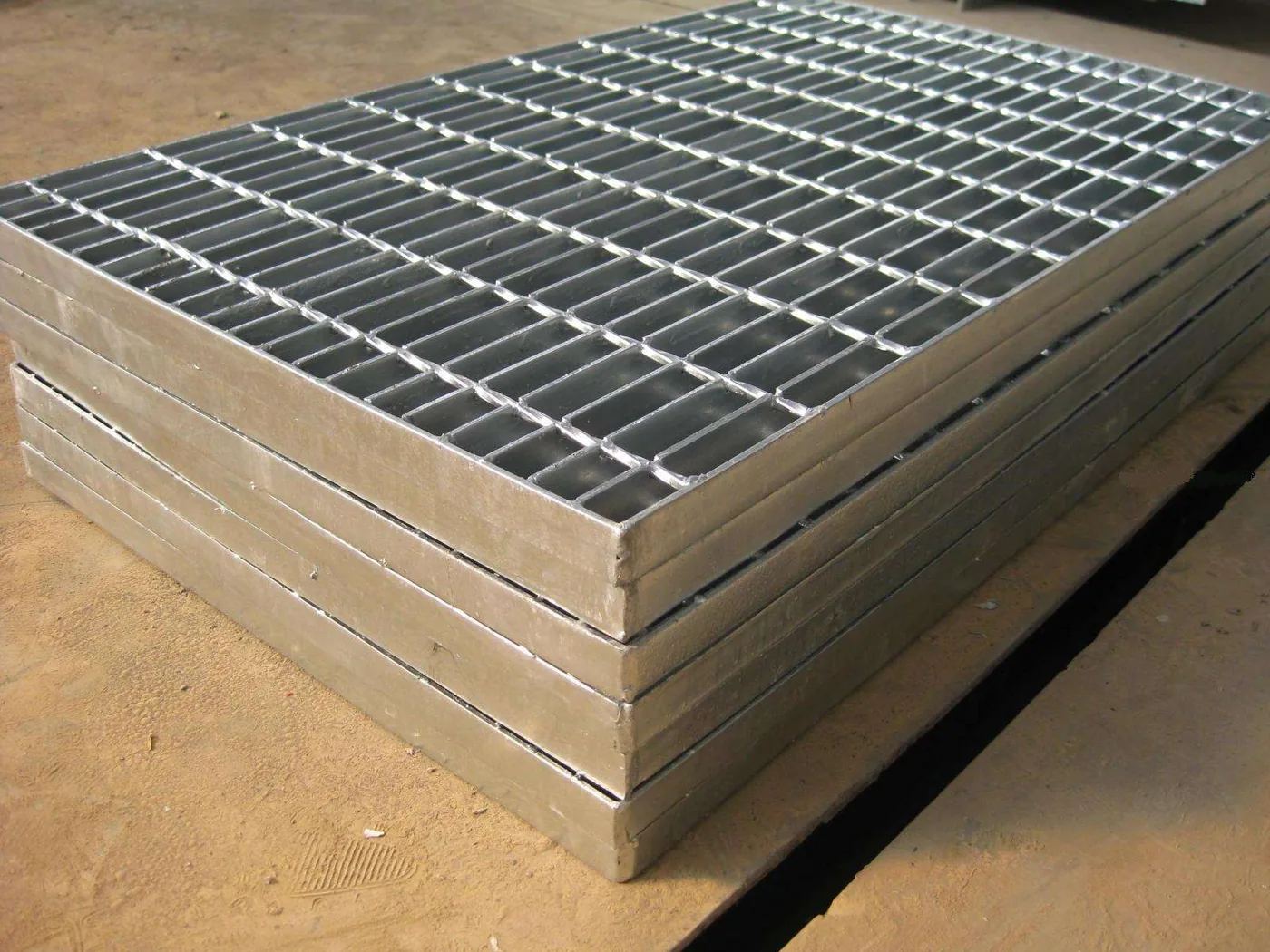
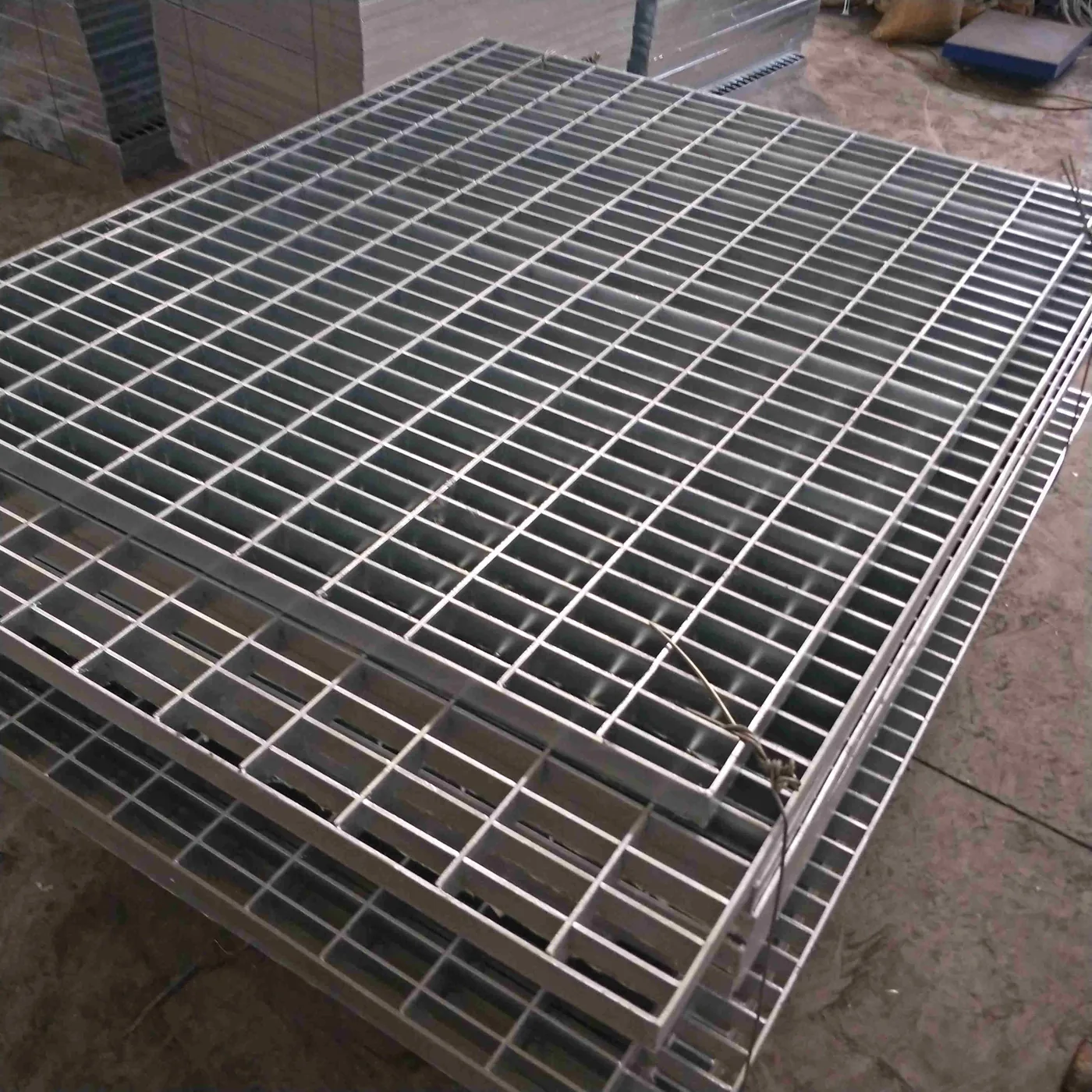
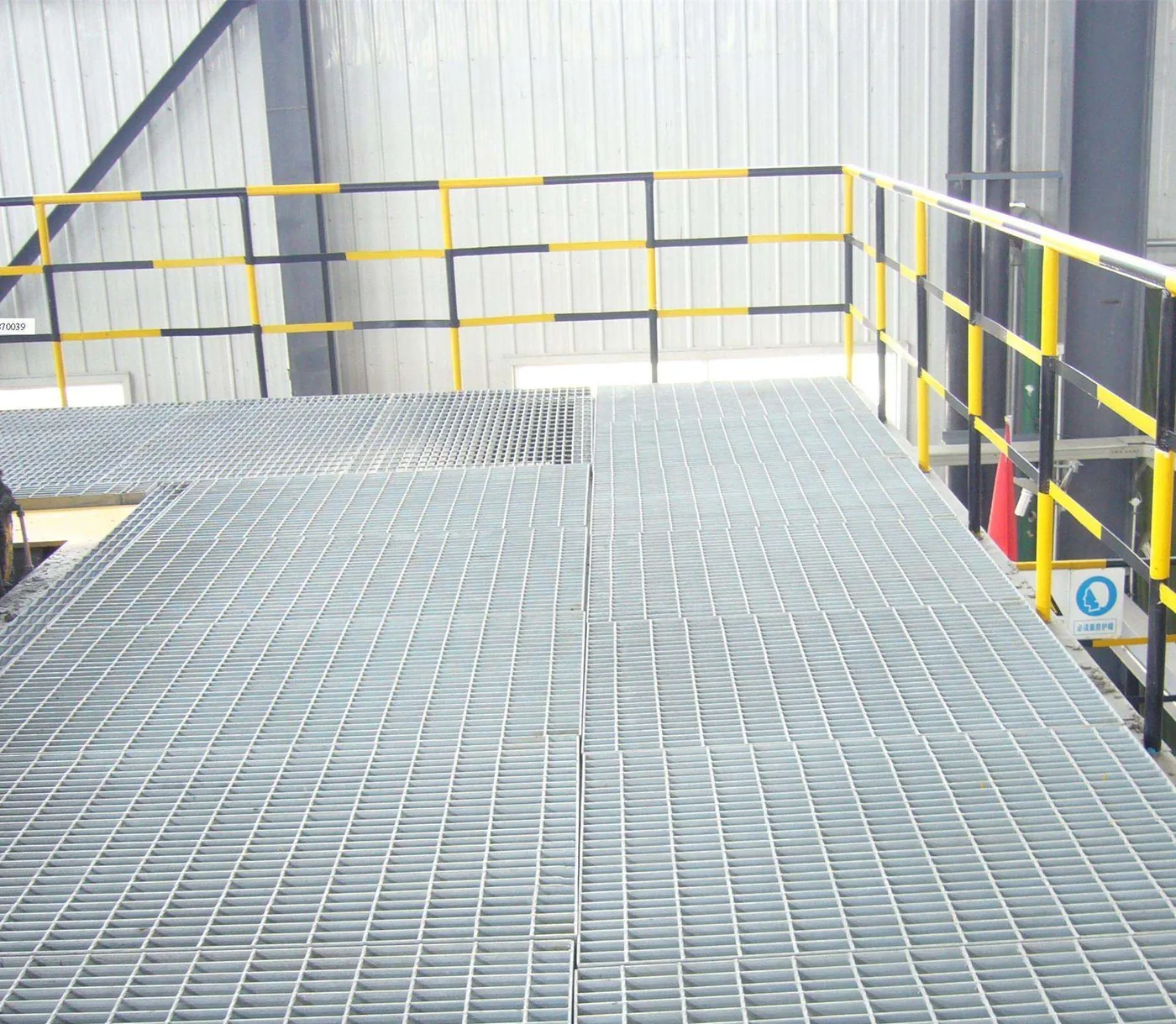
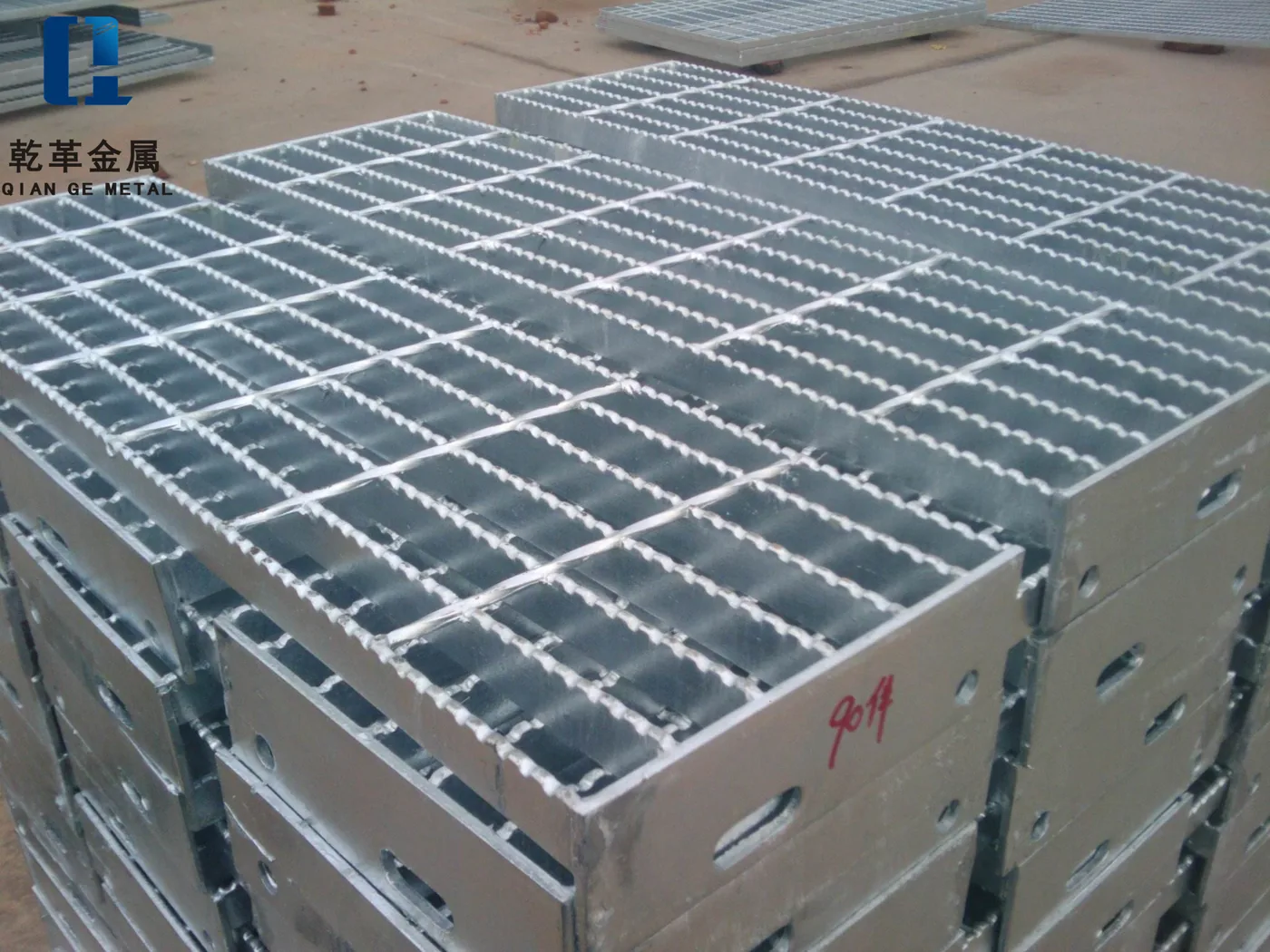
Factory photo evidence for bearing bar selection
Steel grating bearing bar selection should not be judged by surface appearance only. For export RFQs, buyers normally need to confirm bearing bar height, bearing bar thickness, cross bar spacing, span direction, surface treatment and whether serrated bars or cut-outs are required.
RFQ checklist for steel grating bearing bars
- Bearing bar size: height × thickness, for example 25 × 3 mm, 30 × 3 mm or project-specific size.
- Bearing bar pitch and cross bar pitch.
- Panel size, span direction and support distance.
- Surface treatment: hot-dip galvanized, untreated steel or stainless steel.
- Application: platform, stair tread, trench cover, drainage cover or equipment access floor.
- Drawing, cut-outs, toe plate, fixing clips and packing requirements if available.
See galvanized steel grating options or send bearing bar specifications for factory review.
Steel grating bearing bar FAQ
Which bearing bar size should be used for a platform grating?
It depends on span, load, support distance and safety factor. For accurate selection, send the clear span, expected load, panel size and installation drawing for manual review.
Does serrated steel grating use the same bearing bar calculation?
The load check still depends on bearing bar size and span, but serrated bars are selected when anti-slip performance is important for wet or outdoor walkways.